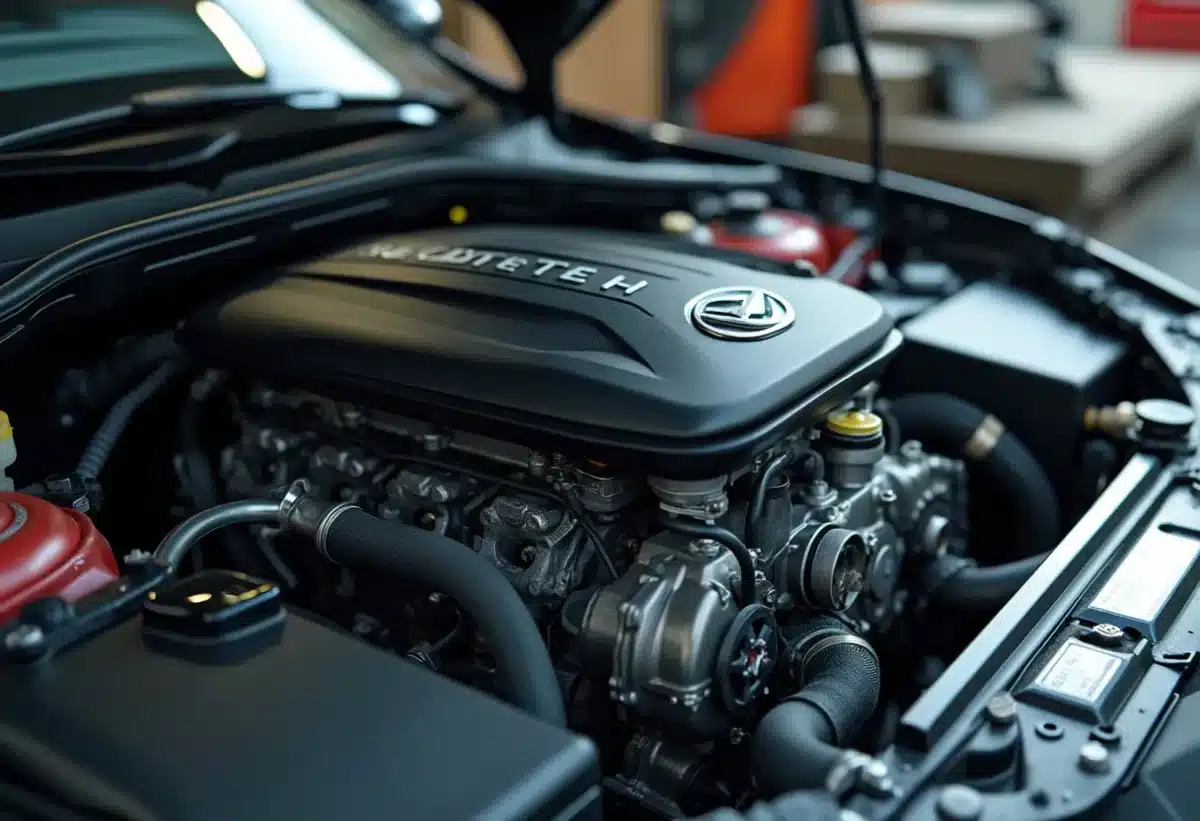
The PureTech engines, developed by the PSA group, are becoming increasingly popular in the automotive landscape. Their reputation is based on a combination of technological innovation and energy efficiency. These three-cylinder engines offer an appealing alternative to traditional powertrains, especially for those looking to reduce their carbon footprint without sacrificing dynamic performance.
Despite their many advantages, PureTech engines are not without criticism. Some users report long-term reliability issues and relatively high maintenance costs. These aspects raise questions about their durability and true economic benefit for drivers.
The advantages of PureTech engines
The PureTech engines, produced by Stellantis, have distinguished themselves in the automotive industry thanks to a series of technological innovations. Voted best engine of the year in 2015, 2016, 2017, and 2018, these gasoline engines offer remarkable performance with reduced fuel consumption.
Performance and energy efficiency
The PureTech range is characterized by a combination of power and efficiency. In particular, the highly regarded 1.2 PureTech 130 engine provides a dynamic driving experience while ensuring moderate fuel consumption. Its three-cylinder design allows for reduced internal friction, thereby improving overall efficiency. The lifespan of the 1.2 PureTech 130 engine is also optimized thanks to high-quality materials and advanced technologies.
Equipment and versatility
PureTech engines equip a wide range of vehicles within the Stellantis group, including:
- Peugeot 208, 308, 2008, 3008, 5008, Partner
- Citroën C3, C3 Picasso, C4, C4 Cactus, C4 Picasso, Berlingo
- DS3, DS4, DS 7 Crossback
- Opel Grandland X
This versatility demonstrates the adaptability of the PureTech engine to various market segments, from compact city cars to family SUVs. The choice of these engines by several models underscores their reliability and performance.
Reduction of emissions: PureTech engines are designed to meet the strictest environmental standards. Their S&S (Stop & Start) technology helps reduce CO2 emissions and improve energy efficiency in urban environments.
The success of PureTech engines lies in their ability to offer a balanced solution between performance, fuel economy, and emission reduction.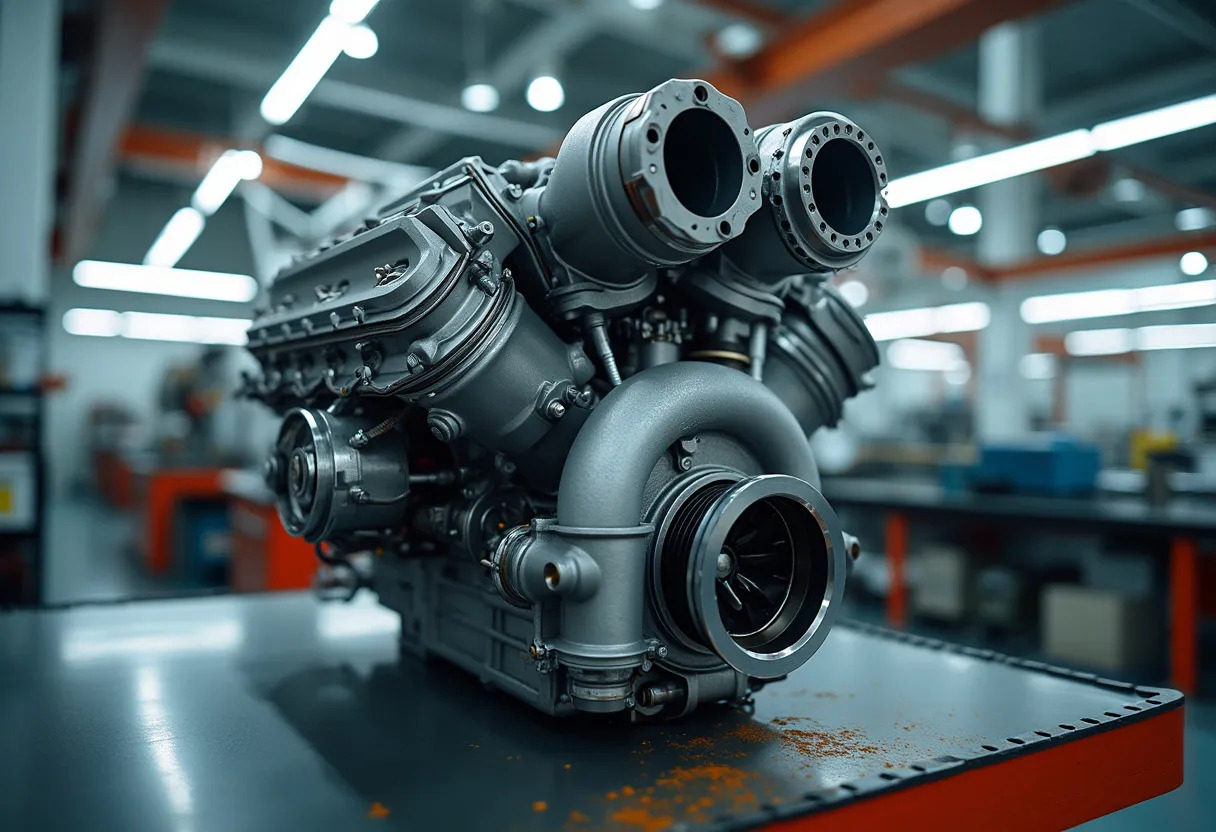
The limits and issues of PureTech engines
Recurring technical problems
PureTech engines, despite their many advantages, are not without flaws. Among the most notable issues:
- Fragile timing belt: this problem, acknowledged by PSA, leads to premature wear and can result in serious consequences such as engine failure.
- Excessive oil consumption: many users report excessive oil consumption, which can affect the longevity and reliability of the engine.
- Vacuum pump failure: this malfunction can impair the proper functioning of braking and power steering systems.
- Overheating: repeated overheating of the engine can cause significant internal damage.
Recalls and corrective actions
In response to these failures, Stellantis has been forced to launch several recall campaigns. On November 20, 2020, 220,000 vehicles equipped with PureTech engines were recalled for timing belt issues and excessive oil consumption. The European Commission and RappelConso issued recall notices to inform owners of potential risks.
Reactions and measures
Despite these actions, Stellantis does not acknowledge a widespread design problem. However, the group compensates customers on a case-by-case basis. Christophe Lèguevaques, a specialized lawyer, is considering legal actions to defend affected consumers. Consider these aspects before acquiring a vehicle equipped with these engines, especially second-hand.
The reliability of PureTech engines remains a topic of debate. While their performance is undeniable, their recurring technical problems raise questions about their durability.