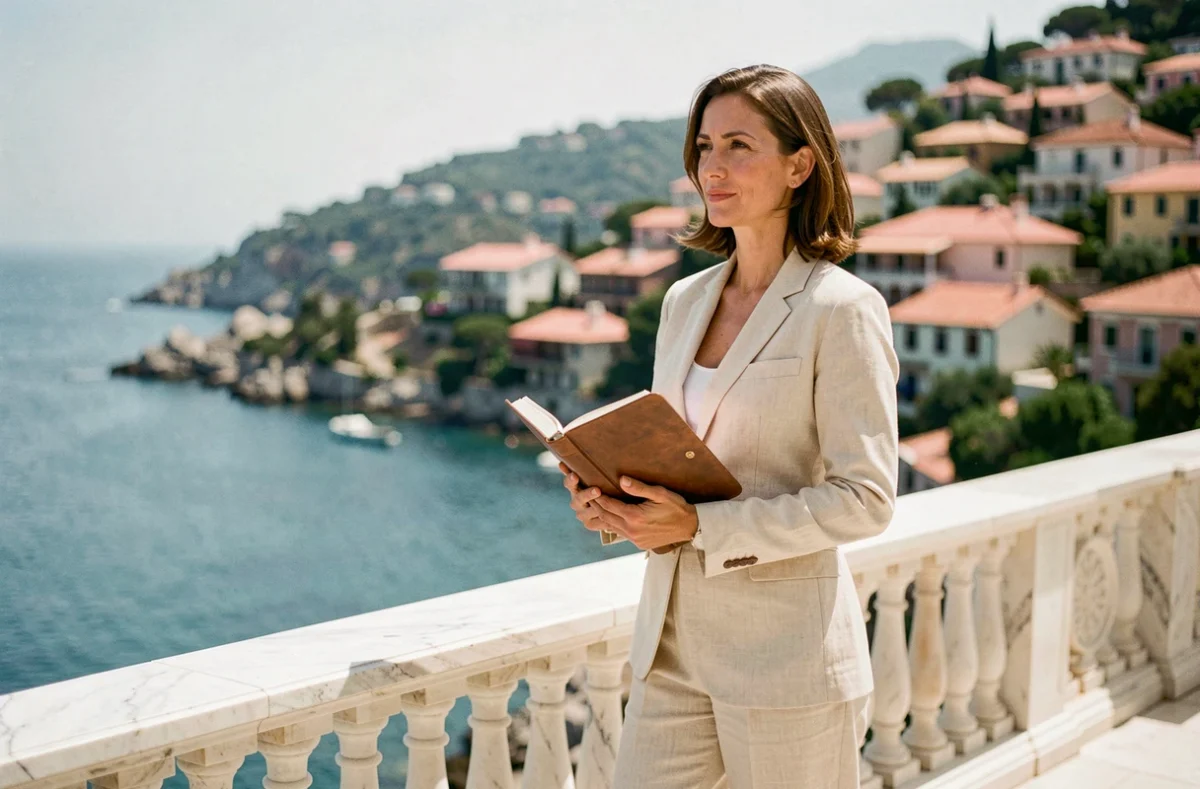
The Virtuoso Luxe Report 2026, compiled from travel advisors in more than fifty countries, ranks multigenerational trips among the leading trends in luxury travel. This finding changes the game: the elegance of a trip is no longer measured by the hotel suite you book, but by how well the experience suits the different rhythms and preferences of everyone in the group.
Traveling elegantly in 2026 starts with choosing the right pace. The destination comes next.
Elegant travel: what it means for your type of traveler
Have you ever noticed that a couple and a three-generation family can have completely different experiences, even at the same hotel? The elegance of a trip depends less on the destination than on how well the itinerary suits the people sharing it.
For a couple, traveling elegantly often means intimate experiences and a slower pace. A private table overlooking the sea, a vineyard visit without a group, a transfer arranged with no waiting in line. Luxury lies in the absence of friction.
For a multigenerational family (grandparents, parents, and children), the challenge is quite different. You need flexible accommodation, activities that work for both eight-year-olds and seventy-year-olds, and, above all, downtime built into the schedule. Advisors in the Virtuoso network note that this type of trip is growing rapidly. Success depends far more on logistics than on the destination.
For travelers looking to avoid crowds, elegance comes down to timing. Traveling in the low or shoulder season can turn a crowded destination into a peaceful experience. It takes some flexibility, but it can radically change how a trip feels. Specialist publications such as Chic Voyage cover these quieter travel windows, destination by destination.

Shoulder season and climate: using timing to travel elegantly
Choosing when to travel has always mattered. In 2026, climate change is reshaping the best times to visit several popular destinations. Mediterranean regions that were once ideal in July are now more pleasant in May or October.
This shift benefits travelers who can adapt. Traveling in the shoulder season means enjoying the same scenery with fewer people, lower prices, and often softer light for photos.
Three factors to consider when choosing when to travel
- Local tourist numbers: some Greek islands and Japanese cities are fully booked from June to August, but quieten down again in September, when temperatures are still very pleasant.
- Off-season cultural events: music festivals, wine harvests, and local celebrations. These occasions offer an immersion that peak season cannot, as residents have more time to engage with visitors.
- Actual weather conditions, not those in outdated guidebooks: checking recent weather data instead of historical averages can help you avoid unpleasant surprises.
Traveling elegantly also means refusing to put up with crowds just because the calendar says so. A spring trip to South Korea, for example, offers cherry blossoms without the summer crowds that now fill Seoul and its surroundings.
Crossing European borders: a formality that changes in 2026
Travel elegance also comes down to administrative details. For non-European travelers, the European Entry/Exit System (EES) was introduced gradually from October 12, 2025, and has been fully operational since April 10, 2026. It records biometric data at the border.
In practice, your first crossing under the EES takes longer than subsequent ones. Your data is then stored, making future entries smoother. For travelers used to crossing borders without extensive checks, this new system calls for a little advance preparation.
Arriving informed is already a way to travel better. Couples on a getaway to Lisbon and families arriving in Rome for the first time under this system should allow a little extra time on arrival.
2026 destinations: three experiences for different types of travelers
Rather than listing a string of countries, here are three travel scenarios that show what elegance means in practice.
A couple seeking a deeper cultural experience
South Korea is attracting more and more travelers looking for an alternative to Japan. Seoul blends mist-shrouded temples with a world-class food scene. Private tastings of local cuisine, away from the usual tourist routes, offer a different way to discover the city. The country strikes a rare balance between modernity and tradition, and a trip there often costs less than one to Japan.
A multigenerational family looking to enjoy nature together
The Azores combine volcanic landscapes, whale watching, and hikes suited to different ability levels. The archipelago works well for family groups: outdoor activities appeal to children and grandparents alike, and the islands’ modest size means fewer long transfers that can tire both younger and older travelers.
A solo or flexible traveler looking to avoid crowds
Uzbekistan remains relatively untouched by mass tourism. Samarkand and Bukhara offer monumental architecture in a calm that comparable cities such as Marrakech and Istanbul can no longer provide in peak season. The sense of being somewhere completely different is total, without the crowds.
These three examples have one thing in common: an elegant trip comes from consciously choosing a pace, a time of year, and a format that suit the people traveling—not from piling up luxury services without a second thought. The most successful trip in 2026 will be the one planned with the group in mind as much as the map.