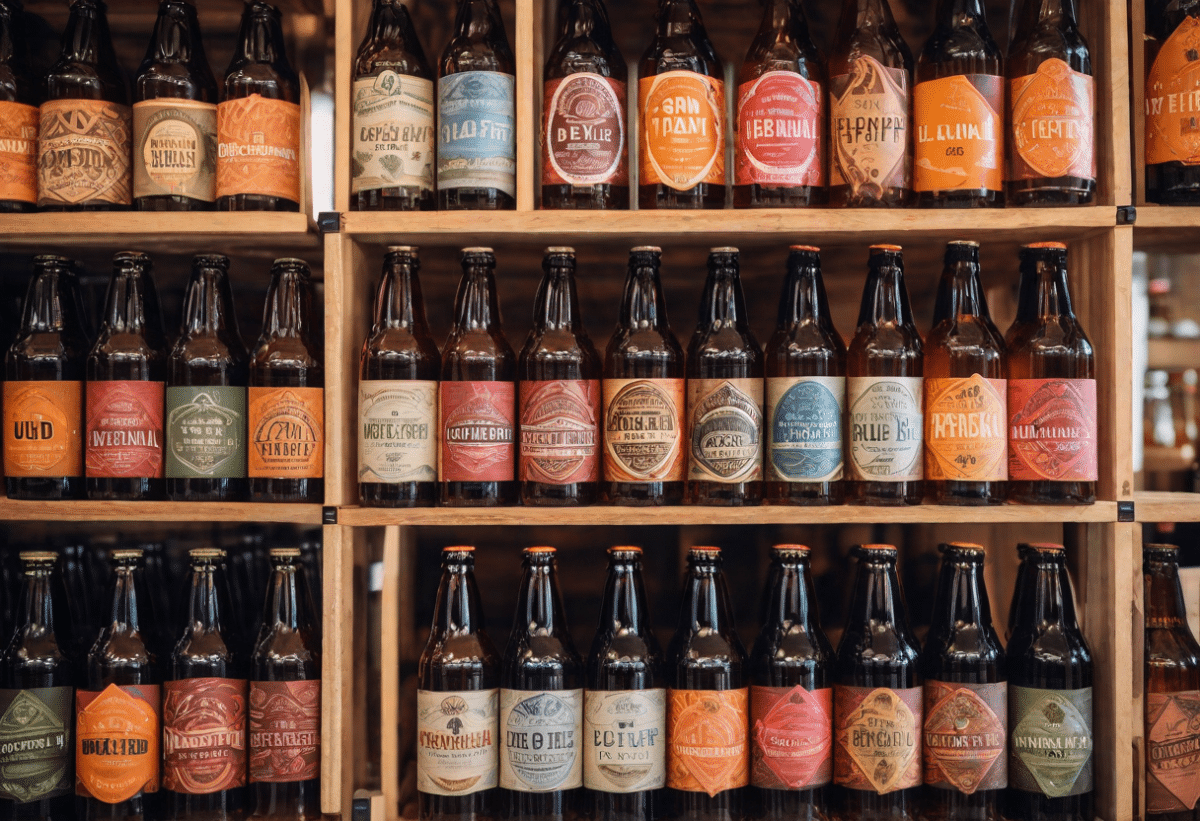
Faced with a growing awareness of health issues related to alcohol, beer enthusiasts are now seeking healthier options. In this quest, sulfite-free beers are emerging as a promising alternative. Sulfites, often used as preservatives in alcoholic beverages, can cause reactions in some individuals. Craft breweries and large producers are adapting to this trend by offering purer beers, highlighting organic ingredients and a production process that avoids the use of these additives. This movement is part of a broader approach to responsible consumption and health-conscious choices.
Understanding the Appeal of Sulfite-Free Beers
Sulfite-free beer is gradually becoming a staple in the habits of French consumers, who are health-conscious and eager to adopt healthy lifestyles. This phenomenon meets a dual demand: the pleasure of tasting and vigilance regarding health impacts. Sulfites, commonly used in the preservation of alcoholic beverages, can be a source of intolerances and allergies for some. Sulfite-free beer is becoming a preferred choice for those who wish to reduce their exposure to these additives while enjoying a moment of conviviality.
Craft breweries play a leading role in this market transformation, responding to the rising demand by developing high-quality non-alcoholic beers. These products, far from being merely alcohol-free, offer an authentic tasting experience thanks to the use of aromatic hops and special yeasts. These ingredients, often sourced from organic or biodynamic farming, contribute to the creation of complex and satisfying flavors for the most discerning palates.
The enthusiasm for eco-friendly practices and responsible consumption enhances the appeal of sulfite-free beer. Consumers, in search of transparency and naturalness, favor products with clear compositions and environmentally respectful production processes. Sulfite-free beer is gaining popularity, establishing itself as a distinct category in the French market, both in supermarkets and in bars and restaurants. It symbolizes a broader trend towards conscious choices that respect individual and collective health.

Exploring Healthy Alternatives to Traditional Beer
In the agora of social events, non-alcoholic beer is now attracting a clientele concerned about their health while still valuing convivial rituals. Major traditional brands are acknowledging this shift and expanding their ranges, while craft breweries are innovating by offering flavorful products without the downsides of sulfites. This dynamic reflects a change in mindset where quality takes precedence over quantity, and alcohol consumption is approached more thoughtfully.
In the aisles of French supermarkets, the sections dedicated to non-alcoholic beverages are expanding, providing greater visibility to these new offerings. Consumers are discovering healthy alternatives, such as sulfite-free beers, as well as organic wines and beverages from biodynamic agriculture, all free from controversial food additives. This phenomenon is no longer confined to specialized retailers but is spreading to mainstream distribution, indicating a growing demand.
Bars and restaurants, in tune with current expectations, are adapting their menus to offer a selection of non-alcoholic and sulfite-free beers. This move is both a response to customer demand and an ethical stance in the debate on responsible consumption. These establishments are thus becoming key players in the dissemination of these healthy alternatives, contributing to their democratization.
The French market, recognized for its pioneering role in the beverage sector, has the highest number of new consumers of non-alcoholic drinks. This trend, far from being a mere fad, reveals a profound transformation in consumption habits. It contributes to building a future where beverages are appreciated for their taste and the ethics of their production, rather than for their alcohol content.