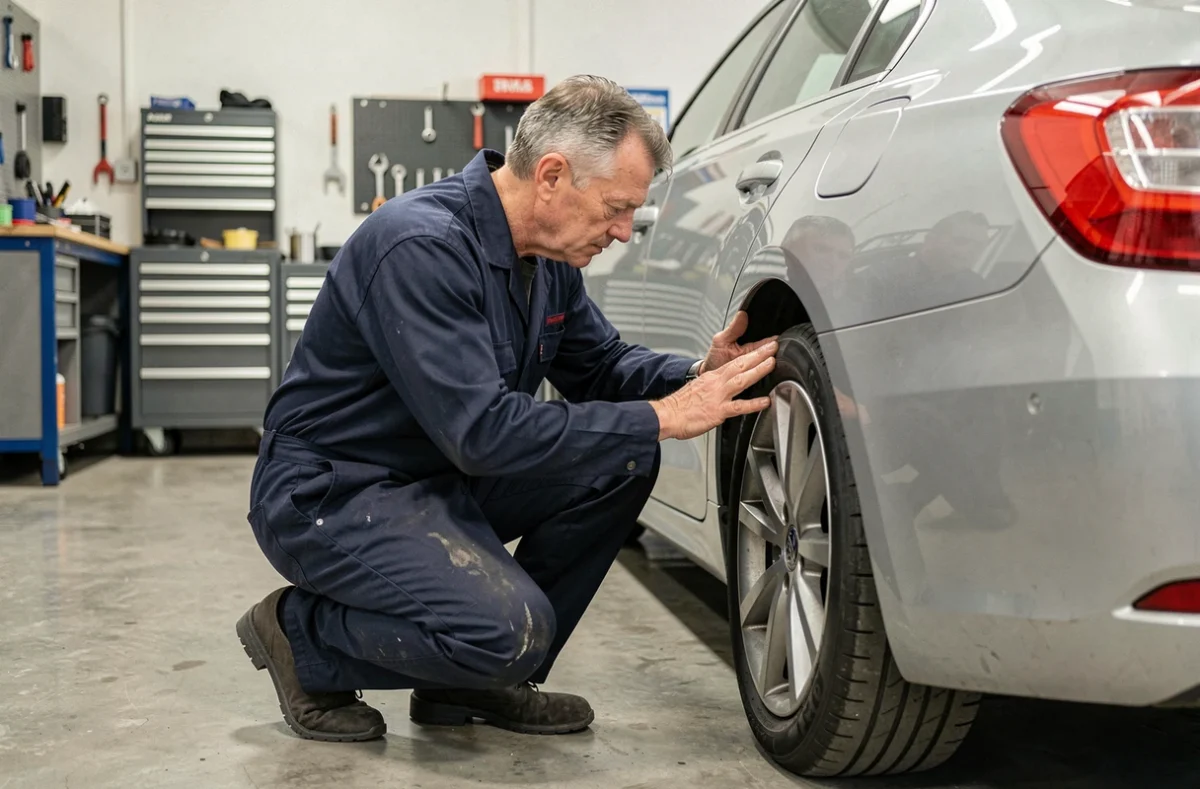
Between the tightening of the ecological penalty, the transformation of subsidies for purchasing electric vehicles, and a used car market undergoing significant changes, the factors guiding the choice of a car in 2026 have little in common with those from three years ago. This article measures the concrete differences between engine types, between new and used cars, and between the financial mechanisms that now govern each car purchase.
New vs Used: The Dynamics of the Automotive Market in 2026
The used car market is generally declining in France, according to AAA-Data data reported by La Voix du Nord in October 2026. The trend does not affect all categories in the same way.
| Segment | Used Market Trend (2026) | Main Factor |
|---|---|---|
| Recent Thermal (3-6 years) | Declining supply | Production disruptions from the early 2020s |
| Used Electric | Increasing transactions | Arrival of the first leasing returns and fleet renewal |
| Used All Engine Types | Overall decline | Scarcity of recent vehicles available |
The scarcity of vehicles aged three to six years, inherited from component shortages at the beginning of the decade, creates an imbalance between supply and demand. Buyers targeting a recent SUV or compact sedan are struggling to find models at reasonable prices.
Used electric cars are progressing against the grain of the overall market. This segment benefits from the natural turnover of the first electric vehicles sold in volume starting from 2020-2021. To explore available listings by brand or vehicle type, the referenced sheets on the entire Annu Moteurs site allow for quick cross-referencing of offers.

Ecological Penalty and Purchase Aid: What Has Changed Since July 2025
The French automotive tax framework has undergone two structural changes that directly impact the purchase budget.
Tightened Ecological Penalty in 2026
The threshold for triggering the CO2 penalty has been lowered, meaning that vehicles previously exempt are now included in the scale. The weight penalty follows the same tightening logic. Electric cars remain exempt from these two components, widening the fiscal cost gap between a thermal model and its electric equivalent.
Electric Purchase Aid: A Different Mechanism Since July 1, 2025
The former ecological bonus paid directly by the state has disappeared in this form. Since July 1, 2025, the aid is channeled through energy savings certificates, and its amount varies depending on the energy supplier and the household situation, according to Défense des consommateurs (October 2026).
This mechanism makes comparison more complex than before. The same electric vehicle can generate a different amount of aid depending on whether the buyer goes through one supplier or another. The reflex to consult only one simulator is no longer sufficient.
- Check offers from several partner energy suppliers before signing an order form
- Confirm the eligibility of the chosen model for energy savings certificates at the time of ordering
- Consider the household’s reference tax income, which determines the amount of aid
Vehicle Fleet in France: Why the Electrification of New Cars Doesn’t Change Everything
Registrations of new electric cars are increasing. The market share of electric vehicles in new sales is steadily rising, driven by European regulatory constraints on CO2 emissions from manufacturers.
This acceleration in new sales masks a slower reality. The French vehicle fleet remains predominantly thermal, as the average lifespan of a car far exceeds a decade. Even with strongly electrified new sales, the complete replacement of the fleet will take years.
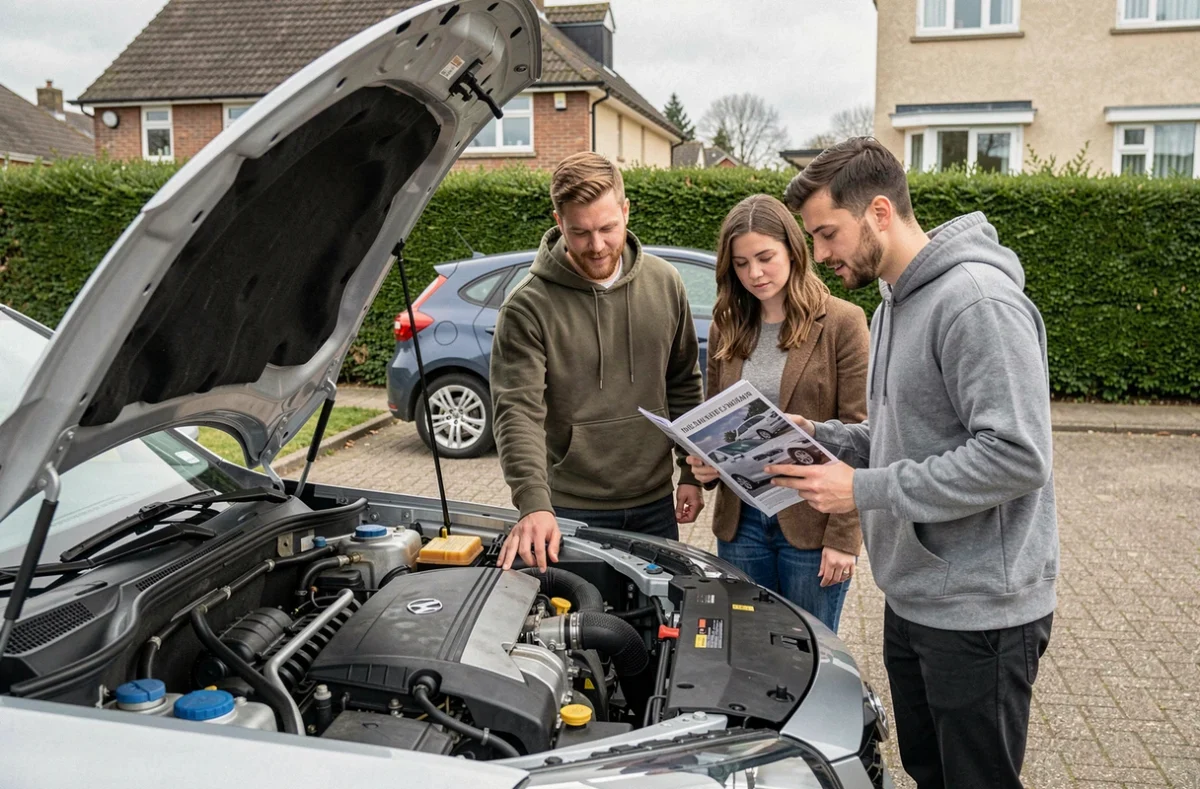
For a driver purchasing today, this data has a direct consequence: the network of traditional gas stations is not going to disappear in the short term, but the resale value of a new thermal vehicle is likely to erode faster than in the past. The annual tightening of the penalty reinforces this trend by reducing the pool of potential buyers for the most polluting models.
Car Choice Criteria: A Framework for Purchasing in 2026
Comparing engine types without integrating regulatory costs skews the analysis. A thermal vehicle listed at an attractive catalog price can cost several hundred euros more once the penalty is applied, while a higher-priced electric model benefits from a total exemption and variable aid.
- Total cost over five years (insurance, maintenance, energy, depreciation) rather than just the catalog price
- Impact of the 2026 ecological penalty on the targeted model, including the weight penalty for thermal SUVs
- Actual availability on the used market for recent models aged three to six years
- Amount of aid via energy savings certificates, which depends on the chosen supplier
The displayed price of a car no longer reflects its actual acquisition cost since the penalties and aids operate on fluctuating scales. A useful automotive guide in 2026 incorporates these fiscal variables from the very first step of the search, not at the end of the process.
The French automotive market is going through a period where traditional benchmarks (catalog price, mileage, age) are no longer sufficient to guide a purchase. The data that weighs most heavily in the balance remains the annual evolution of the penalty: it modifies both the purchase cost and the resale value, regardless of the targeted segment.