
Family cooking faces a technical paradox: so-called “easy” recipes often rely on ultra-processed products, while indulgent recipes require a preparation time that is incompatible with daily life. Resolving this tension involves precise ingredient choices and cooking methods, not yet another list of “ready in 10 minutes” dishes.
Passive cooking and flavor base: the technical foundation of successful family recipes
Passive cooking (oven, slow cooker, covered pot) frees up time without sacrificing depth of flavor. A zucchini and goat cheese gratin, for example, only requires a few minutes of assembly before baking, which develops the Maillard aromas on the surface and melts the cheese into the sauce.
This technique also works for soups: sautéing the onion and vegetables over high heat before adding liquid, then letting it cook covered, produces a result that is incomparable to simply pouring broth over raw vegetables.
This principle of building flavor base before long cooking applies to most family dishes. Browning chicken before braising, toasting spices before adding them to a lentil dahl, caramelizing tomatoes before making a sauce: each step adds a layer of taste without extending active time in the kitchen.
We recommend checking the recipe sheets provided by Yummy Food, which detail these pre-cooking steps with calibrated times for each type of dish.
Vegetable recipes that kids enjoy: beyond the classic gratin
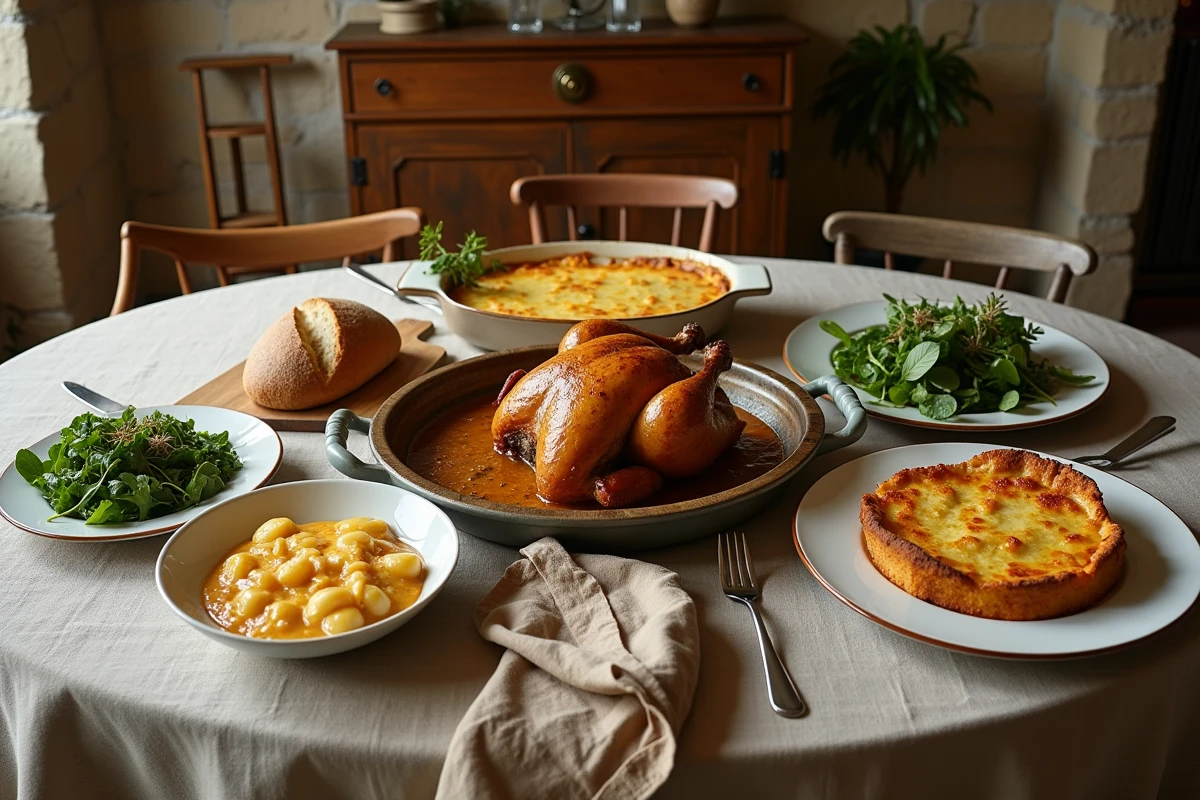
The gratin remains an effective vehicle for getting kids to accept vegetables, but repetition makes it counterproductive. Three approaches deserve to be mastered to vary without complicating.
- Vegetables in batter: incorporate grated zucchini or finely blended carrots directly into a savory cake batter or savory muffins. The texture masks the vegetable, while the taste remains present without dominating. A zucchini-goat cheese cake baked in a muffin tin can be eaten with fingers, which changes the perception of the dish for younger children.
- Roasted vegetables at high temperature: sticks of squash or sweet potato roasted in the oven with a drizzle of olive oil become crispy on the outside and tender on the inside. The natural caramelization of sugars replaces the need for heavy seasoning.
- Thick purees served as “sauce”: rather than a bowl of soup, a thick, reduced tomato puree draped over short pasta works like a sauce. Kids find a familiar format while consuming a significant portion of vegetables.
The goal is not to hide vegetables, but to present them in textures that children associate with pleasure. A raw vegetable salad imposed at the table generates refusals; the same ingredients integrated into a cooked or crispy preparation pass without negotiation.
Recipes without common allergens: adapting a family dish without altering it
Substitutions must preserve the technical function of the removed ingredient, not just eliminate it. Eggs in a savory cake serve as a binder and leavening agent. Replacing it with a spoonful of applesauce or a mixture of ground flaxseeds and water works for binding, but the volume of the cake will be less without adding extra baking powder.
Cow’s milk in a béchamel provides protein and fat that ensure creaminess. Unsweetened oat milk comes closer than almond milk, which is too light in fat to thicken properly. Gluten-free breadcrumbs, often made from rice or corn, absorb more liquid than wheat breadcrumbs: the quantity must be reduced or the liquid portion in the recipe increased.

Organizations like AFPRAL document substitution protocols compatible with multiple allergies simultaneously. We observe that the most robust family recipes are those designed from the outset with versatile ingredients (olive oil instead of butter, starch instead of wheat flour) rather than being adapted afterward.
Weekly family menu: structuring the week to cook less
Planning a weekly menu is only worthwhile if the plan includes a logic of reusing basic preparations. Cooking a large quantity of rice on Sunday allows for vegetable fried rice on Monday, rice balls on Tuesday, and a rice salad on Wednesday. The roasted chicken from Sunday provides leftovers for a sandwich, broth, or shredded pieces in wraps.
Three principles structure an effective family menu:
- Choose two main proteins for the week (chicken and legumes, for example) and vary them in different forms rather than buying five different proteins.
- Prepare sauces and bases (homemade tomato sauce, vinaigrette, pesto) in a single session over the weekend. A jar of homemade tomato sauce transforms pasta, a quick pizza, or a stuffed vegetable dish without additional preparation.
- Leave one evening of the week intentionally unplanned to absorb leftovers or an unexpected event. Forcing seven planned meals over seven days generates waste when a meal is skipped.
A realistic weekly menu does not exceed four cooked recipes, the rest being assemblages or reuses. It is this economy of effort, more than the complexity of dishes, that makes family cooking sustainable over time.
The last point to keep in mind: the shopping list derives from the menu, not the other way around. Shopping without a plan leads to accumulating orphan ingredients that end up at the back of the refrigerator. Starting from the menu, extracting the list, and sticking to it reduces costs and waste measurably, even without rigid tracking.